
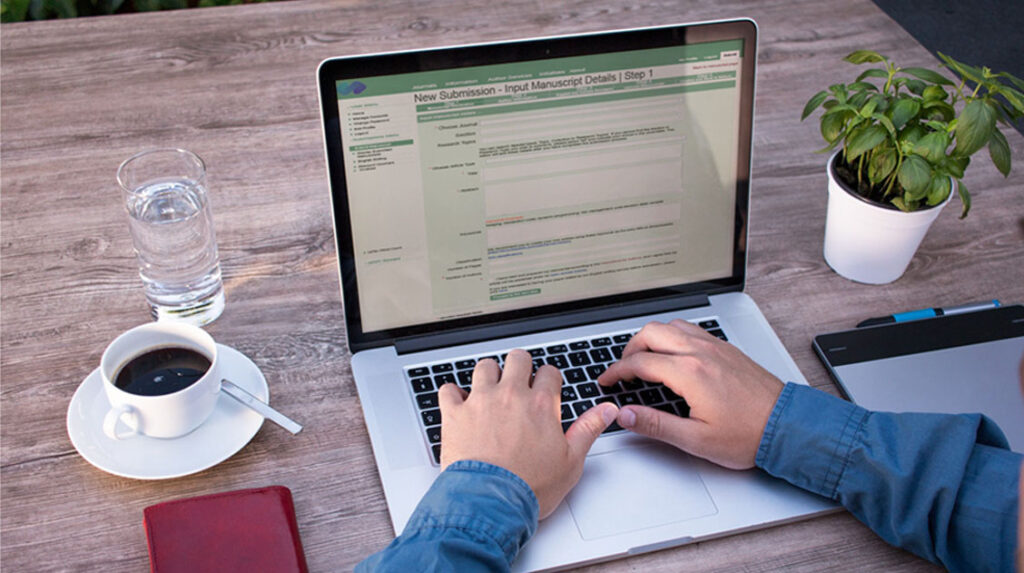
The DS-260 (Immigrant Visa and Alien Registration Application) is the required online visa application for individuals applying for a U.S. immigrant visa through consular processing. The form is completed after a petition is approved and the case moves to the National Visa Center (NVC) stage.
The DS-260 is submitted electronically through the Consular Electronic Application Center (CEAC) and collects detailed information used by U.S. consular officers to determine visa eligibility.
Completing the form accurately is critical. Inconsistencies between the DS-260, civil documents, and prior immigration records can delay the case or trigger additional review.
This guide explains how to complete the DS-260 step by step, what each section requires, and the most common errors applicants should avoid.
When the DS-260 Is Required in Consular Processing
The DS-260 is filed during the immigrant visa stage of consular processing, after:
- A petition is approved (for example Form I-130 or I-140).
- The case is transferred to the National Visa Center (NVC).
- Visa processing fees are paid.
Once the immigrant visa fee is marked “PAID” in the CEAC system, the applicant can start the DS-260 by selecting “Start Now” under the IV Application section.
Each immigrant visa applicant must complete a separate DS-260, including accompanying family members immigrating with the principal applicant.
How to Access the DS-260 in CEAC
The DS-260 is completed online through the Consular Electronic Application Center (CEAC).
Information required to log in includes:
- NVC case number
- Invoice ID number
- Applicant’s date of birth
The DS-260 cannot be completed without these identifiers because they link the application to the approved immigration petition.
All answers must be entered in English using English characters, and the system will not allow submission if mandatory fields are incomplete.
Information Needed Before Starting the DS-260
Preparing the required information before opening the form helps prevent errors and delays.
Applicants should have access to:
Personal identification
- Passport information
- Full legal name history
- Date and place of birth
Immigration information
- NVC case number
- Petition information
- U.S. petitioner details
Family history
- Parents’ names and birth information
- Spouse information
- Children’s information
Residence and employment history
- Addresses for the past five years
- Employment history
- Education history
Travel and immigration records
- Previous U.S. visits
- Prior visa applications
- Immigration violations, if any
The DS-260 contains more than 200 questions across several sections, and most fields are required.
Step-by-Step Sections of the DS-260
The DS-260 is divided into several sections that collect detailed background information.
1. Personal Information
This section establishes the applicant’s identity.
Information requested includes:
Full legal name
Other names used
Gender
Date and place of birth
Marital status
Nationality
Names must match the passport exactly.
Applicants must also disclose any previous legal name changes.
Address and Phone Information
The form requires:
Current residential address
Mailing address
Phone numbers
Email address
Applicants must also list all addresses lived at since age 16 or within the last five years, depending on the question.
Accuracy matters because these addresses are often used for background checks.
Passport Information
Applicants must enter passport details including:
Passport number
Issuing country
Issue and expiration dates
If a passport has not yet been issued, applicants may select an alternative travel document option and update the information later when the passport becomes available.
4. Travel Information
This section confirms immigration intent and visa category.
Information includes:
Intended U.S. address
Intended port of entry
Visa classification
Petitioner information
The applicant must confirm the relationship with the petitioner when applying through family sponsorship.
5. Family Information
The DS-260 collects information about:
Parents
Spouse
Former spouses
Children
Even children who are not immigrating must still be listed.
Omitting family members can create complications later, including issues with future immigration petitions.
6. Previous U.S. Travel and Immigration History
Applicants must disclose:
Previous U.S. visa applications
Prior travel to the United States
Immigration violations
Deportations or removals
Consular officers review this information carefully. Any mismatch with immigration records may trigger additional questioning during the visa interview.
7. Work, Education, and Training History
The form requires a detailed background history, including:
Current occupation
Previous employment
Educational institutions attended
Specialized skills or training
Applicants may also be asked about military service or government employment.
8. Security and Background Questions
This section includes a series of yes/no questions related to admissibility.
Topics covered include:
Criminal history
Immigration fraud
Health conditions
Drug use
Human trafficking
Security and terrorism concerns
Applicants must disclose arrests or charges even if the case was dismissed. Additional documentation such as court records or police certificates may be required if the answer to any question is “Yes.”
Reviewing and Submitting the DS-260
After completing all sections, the system presents a full review page.
Applicants must carefully verify that:
- Names match passport records
- Dates are correct
- Addresses are accurate
- No required fields are missing
Submission requires an electronic signature, which certifies that the information provided is true under penalty of perjury.
After submission:
- A confirmation page with a barcode is generated
- The confirmation must be printed
- It must be brought to the immigrant visa interview
The visa application is not considered formally executed until the applicant appears for the consular interview.
Civil Documents After DS-260 Submission
Submitting the DS-260 does not complete the visa process.
Applicants must still upload or submit required civil documents, which may include:
- Birth certificates
- Marriage certificates
- Divorce decrees
- Police certificates
- Passport copies
- Court records if applicable
These documents are typically uploaded through CEAC for review by the National Visa Center before the case becomes documentarily complete.
Common DS-260 Mistakes That Cause Delays
Several common errors can slow down visa processing.
Inconsistent names or dates
Names must match the passport and civil documents exactly. Small discrepancies can trigger requests for clarification.
Missing prior addresses or employment
Applicants sometimes omit short-term addresses or jobs. The DS-260 requires complete history for the relevant time period.
Incorrect immigration history
Previous visa refusals, overstays, or removals must be disclosed.
Consular officers have access to immigration records and will review this information during the interview.
Selecting incorrect immigration status answers
Applicants occasionally answer questions incorrectly about spouses or accompanying family members, which may require correction during the interview or reopening of the DS-260.
Failing to review before submission
Once submitted, the DS-260 generally cannot be edited unless the consular post or NVC unlocks the form.
What Happens After the DS-260 Is Submitted
After submission, the case continues through the NVC process.
Typical next steps include:
- Uploading required civil documents
- Affidavit of Support submission by the petitioner
- NVC review of documents
- Interview scheduling at the U.S. embassy or consulate
- Medical examination
- Immigrant visa interview
At the interview, the consular officer will review the DS-260 responses alongside the submitted documents and supporting evidence.
When the DS-260 May Be Reopened
In some cases the DS-260 may need to be reopened before the interview.
This can occur when:
- Passport information changes
- Family information needs correction
- The consular officer requests updates
- New documentation must be added
The NVC or the U.S. embassy can unlock the form if necessary.
Conclusion
The DS-260 is the central application in the consular processing stage of obtaining a U.S. immigrant visa. It collects detailed personal, family, and immigration history used by consular officers to determine visa eligibility.
Completing the form accurately requires careful preparation, consistent information across all documents, and thorough review before submission.
Errors in the DS-260 can delay document review or complicate the visa interview, making accuracy and completeness essential during the filing process.
Frequently Asked Questions
How long does it take to complete the DS-260 form for consular processing?
Completing the DS-260 immigrant visa application usually takes about 60 to 90 minutes if the required information is prepared beforehand. The form asks for detailed personal history, including past addresses, employment, family information, and previous travel to the United States. Many applicants spend additional time reviewing their answers to ensure the information matches their official documents.
What documents should I prepare before filling out the DS-260 in CEAC?
Before starting the DS-260 on the CEAC website, applicants should have their passport details, National Visa Center case number, invoice ID, birth certificate information, and any marriage or divorce records available. Information about previous U.S. visas and a history of recent addresses and employment may also be required.
Can the DS-260 be corrected after it has been submitted?
Once the DS-260 form is submitted in CEAC, applicants usually cannot edit it directly. If corrections are needed, the National Visa Center or the U.S. embassy handling the case may reopen the application. Minor corrections can sometimes be clarified during the immigrant visa interview.
Do all family members need to submit a separate DS-260 form?
Yes. Each person applying for an immigrant visa through consular processing must submit a separate DS-260 application, including spouses and children immigrating with the principal applicant. Each form is linked to the same NVC case but contains individual biographic information.
What happens after submitting the DS-260 immigrant visa application?
After the DS-260 is submitted through CEAC, the case continues through the National Visa Center review process. Applicants must upload required civil documents, and the sponsor submits the financial support forms. Once the case is documentarily complete, the U.S. embassy or consulate schedules the immigrant visa interview.
What are the most common mistakes when completing the DS-260 form?
Common DS-260 mistakes include entering names that do not match passport records, omitting previous addresses or employment history, providing incomplete immigration history, or failing to review the form before submission. Consular officers compare the DS-260 with official records, so inconsistencies can lead to delays or additional questions during the interview.
Where can I access the DS-260 immigrant visa application online?
The DS-260 immigrant visa form is completed through the Consular Electronic Application Center (CEAC) on the U.S. Department of State website. Applicants must log in using their National Visa Center case number and invoice ID before they can begin the application.
This information is for general educational purposes only and is not legal advice. Reading this page does not create an attorney–client relationship. Immigration laws change frequently, and your situation may require personalized guidance.
