
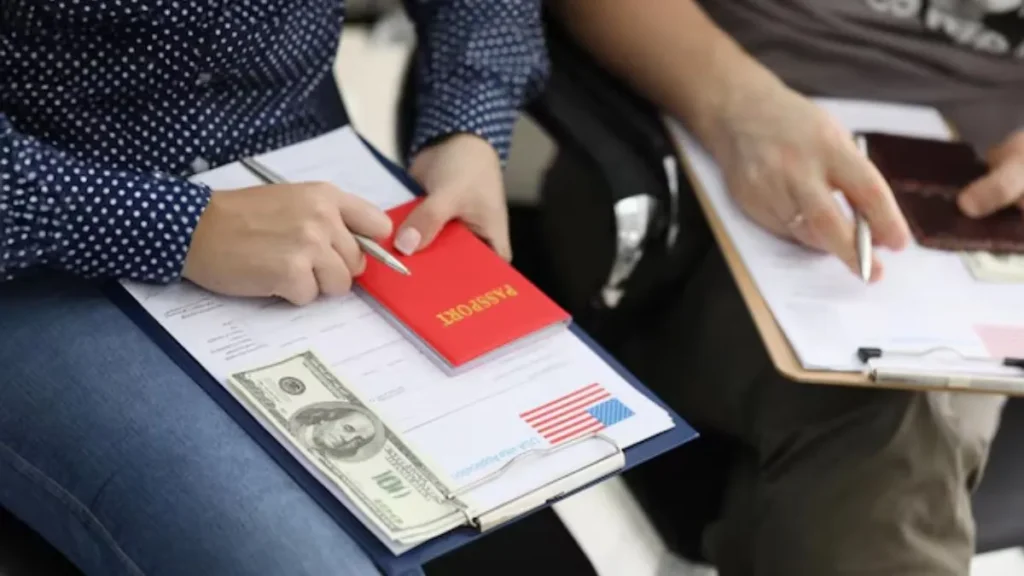
A denial of your conditional green card petition is not just another immigration setback. It carries immediate consequences. Once a petition to remove conditions is denied, your legal status can change quickly, and in some cases, removal proceedings may follow.
But a denial is not the end of your options. What matters is why your case was denied and what you do next.
What a Conditional Green Card Denial Means
A conditional green card is typically issued through marriage and is valid for two years. To remain a lawful permanent resident, you must file a petition to remove those conditions using Form I-751.
If this petition is denied by the United States Citizenship and Immigration Services, it means USCIS determined that you did not meet the requirements to transition into a permanent 10-year green card holder.
The impact is serious:
- Your conditional resident status is terminated.
- You may receive a Notice to Appear (NTA) in immigration court.
- You may be required to defend your case before a judge
This is why your response must be immediate and informed.
Why Form I-751 Gets Denied
Understanding the reason for denial is the first step toward deciding your next move. USCIS does not deny these petitions randomly. Most denials fall into clear categories.
Insufficient Evidence of a Bona Fide Marriage
This is the most common reason. If USCIS believes the marriage was not genuine or lacks enough proof, the petition may be denied. Weak documentation, inconsistent records, or limited shared history can raise concerns.
Failure to File Properly or On Time
Filing outside the required window or submitting an incomplete petition can lead to denial. Timing errors are more common than many applicants expect.
Issues During the Interview
If your interview raises doubts about the authenticity of your relationship or reveals inconsistencies, USCIS may decide against approval.
Failure to Respond to Requests for Evidence
Ignoring or poorly responding to an RFE can result in automatic denial, even if your case had potential.
Each reason points to a different solution. That is why a careful review of your denial notice is critical.
What Are Your Options After an I-751 Denial?
There is no single solution. Your next step depends entirely on your case details, your marital situation, and the reason for denial.
1. Refile Form I-751 (If Eligible)
In some cases, you may be able to submit a new petition with stronger evidence. This is only possible if you still qualify and can correct the issue that caused the denial.
Refiling works best when:
- The original case lacked sufficient documentation.
- You now have stronger proof of a real marriage.
- There were correctable filing errors
Without stronger evidence, refiling may lead to another denial.
2. Apply for an I-751 Waiver
If your marriage has ended or you cannot file jointly, a waiver may allow you to proceed independently.
Common waiver grounds include:
- Divorce or annulment (good faith marriage).
- Abuse or extreme cruelty.
- Extreme hardship if removed from the U.S.
Waivers require strong documentation. USCIS will examine your case closely, especially if the joint petition route failed.
3. Defend Your Case in Immigration Court
If you are placed in removal proceedings, your case does not automatically end. You can still present your case before an immigration judge.
This stage allows you to:
- Submit new evidence.
- Testify about your marriage.
- Challenge the denial
For many applicants, this becomes the most critical stage of the process.
4. Consider Other Immigration Options
Depending on your situation, you may qualify for a different immigration pathway. This could include employment-based options, humanitarian relief, or other petitions.
This is not always possible, but it should be explored before assuming your options are limited.
Understanding the Risk of Immigration Court
One of the biggest concerns after an I-751 denial is the possibility of removal proceedings.
If USCIS issues a Notice to Appear, your case moves to immigration court. This does not mean automatic deportation, but it does mean:
- You must appear before a judge.
- Your case will be reviewed again.
- You need strong legal arguments and evidence
This stage carries higher stakes and requires careful preparation.
What Happens to Your Status After Denial?
After a denial:
- Your conditional permanent resident status is terminated.
- You may no longer have the same protections as before.
- Your ability to work and travel may be affected
However, if your case moves to court, you may still be able to remain in the U.S. while proceedings are ongoing.
Should You Refile or Fight the Decision?
This is where most applicants hesitate.
Refiling may be the right choice if:
- Your case was denied due to weak or missing evidence
- You can now clearly prove your marriage was genuine
Fighting the decision (through court or legal challenge) may be better if:
- You believe the denial was incorrect
- You already submitted strong evidence
- Your case involves complex issues like divorce or abuse
The wrong decision here can cost time and reduce your chances of success.
How to Strengthen Your Case After a Denial
Whatever path you choose, your focus should be on evidence quality and consistency.
Strong cases usually include:
- Joint financial records
- Lease or property documents
- Photos and communication history
- Affidavits from people who know your relationship
- Clear explanations for any inconsistencies
The goal is to remove doubt and present a clear, consistent narrative.
Conclusion
A conditional green card denial puts you in a sensitive position, but it does not remove all options. What matters is how quickly and strategically you respond.
Every case is different. The right next step depends on your evidence, your relationship history, and your legal standing. Taking time to evaluate your situation properly can make the difference between recovery and further complications.
If you are unsure of your next move, speaking with an immigration attorney can help you understand where you stand and what path gives you the strongest chance forward.
Frequently Asked Questions
What happens if my conditional green card is denied after filing Form I-751?
If your conditional green card is denied after filing Form I-751, your permanent resident status is terminated. In many cases, you may be placed in removal proceedings, where you can present your case before an immigration judge.
Can I refile Form I-751 after my conditional green card is denied?
Yes, you may be able to refile Form I-751 if you can fix the issue that caused the denial and provide stronger supporting evidence, especially proof that your marriage is genuine.
Why does USCIS deny Form I-751 petitions for conditional green cards?
United States Citizenship and Immigration Services often denies Form I-751 petitions due to weak evidence of a real marriage, missed filing deadlines, failure to respond to requests for evidence, or inconsistencies during the interview.
Can I apply for an I-751 waiver after my joint petition is denied?
Yes, you can apply for an I-751 waiver if your joint petition is denied, especially if your marriage was real but ended in divorce, involved abuse, or would cause extreme hardship if you leave the U.S.
Will I be deported immediately if my conditional green card is denied?
You can strengthen your case by providing solid evidence such as joint bank statements, lease agreements, shared bills, photos together, communication records, and affidavits from people who know your relationship.
Do I need an immigration lawyer after my I-751 is denied?
You are not required to have a lawyer, but it is strongly recommended. An immigration attorney can help you decide whether to refile, apply for a waiver, or defend your case in court.
How can I prove my marriage is real after an I-751 denial?
You can strengthen your case by providing solid evidence such as joint bank statements, lease agreements, shared bills, photos together, communication records, and affidavits from people who know your relationship.
This information is for general educational purposes only and is not legal advice. Reading this page does not create an attorney–client relationship. Immigration laws change frequently, and your situation may require personalized guidance.
