
Trusted immigration legal services for families, couples, and professionals seeking permanent residency in the United States.

U.S. Green Card Process Guide: Complete Overview and Services Explained
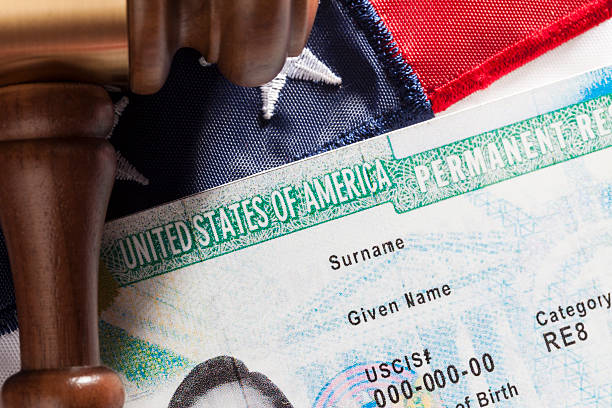
If you are considering how to become a U.S. lawful permanent resident, you may feel overwhelmed by the options, rules, and paperwork. The Green Card process is detailed, often complex, and emotionally challenging. This guide breaks down everything you need to know, including the types of Green Card services available, common challenges, and professional support you can access along the way.
Your Green Card Lawyer help individuals and families navigate this process with clarity, confidence, and strategy, so your application is handled correctly.
Understanding the U.S. Green Card Process
What a Green Card Is
A Green Card, officially called Lawful Permanent Residence (LPR), allows you to live and work anywhere in the United States indefinitely. It is also the first step toward U.S. citizenship. Having a Green Card provides:
- Legal work authorization
- Long-term residency
- Access to benefits like social security and education assistance
- A pathway to naturalization
What a Green Card Lawyer Is and Why It Matters
A Green Card lawyer is an immigration attorney who focuses on helping individuals and families apply for permanent residence in the United States. Their role goes far beyond filling out forms, they help clients understand eligibility, gather the right evidence, avoid common pitfalls, and navigate communication with U.S. Citizenship and Immigration Services (USCIS) or U.S. consulates abroad. You should consider hiring a Green Card lawyer if:
- You are unsure which immigration path fits your situation.
- Your case involves complex circumstances, like prior visa denials or criminal history.
- You are applying through special categories like VAWA, SIJS, or EB-5.
- You want professional guidance to streamline the process and avoid delays.
Major Green Card Pathways
There are multiple ways to obtain a Green Card, each with specific eligibility requirements:
- Family-Based Green Cards: For immediate relatives and other family preference categories.
- Marriage-Based Green Cards: For spouses of U.S. citizens or permanent residents.
- Employment-Based Green Cards: For workers sponsored by employers or those qualifying under extraordinary ability, advanced degrees, or investment categories.
- Humanitarian Categories: For refugees, asylees, VAWA self-petitions, or Special Immigrant Juvenile Status (SIJS).
- Diversity Visa (DV) Lottery: For applicants selected randomly in the annual lottery program.
- Special Immigrant Categories: Including religious workers, certain international organization employees, Afghan/Iraqi translators, and international broadcasters.
Common Challenges Applicants Face
Many applicants feel overwhelmed because the process can be long, document-heavy, and sensitive to mistakes. Even when eligible, applicants often encounter common issues, including:
- Missing or incorrect evidence
- Requests for Evidence (RFEs) or Notices of Intent to Deny (NOIDs)
- Interview difficulties or misunderstanding of questions
- Shifting immigration policies or procedural changes
- Processing delays beyond the applicants’ control
Example: Many applicants applying for a marriage-based Green Card receive RFEs requesting proof of a bona fide marriage. Documents like joint bank accounts, leases, or family photos can be key evidence. Following a U.S. Green Card process guide can help applicants anticipate these issues and prepare the strongest possible documentation.
What Immigration Professionals Do
While hiring a lawyer is optional, professionals provide valuable guidance:
- Eligibility Assessment & Strategy: Reviewing your background and selecting the best application path.
- Application Preparation & Document Support: Ensuring forms like I-130, I-485, DS-260, and supporting documents are accurate and complete.
- Agency Communication: Responding to notices, tracking case progress, and submitting forms correctly.
- Interview Preparation: Coaching applicants to answer questions confidently and provide supporting evidence.
- Handling Complex Cases: Addressing waivers, inadmissibility issues, RFEs, NOIDs, appeals, and prior denials.
- Waivers guidance: For cases involving unlawful presence, misrepresentation, or other grounds of inadmissibility.
Example: Someone applying for a marriage-based Green Card may have lived apart from their spouse due to work or travel. A professional can guide them on how to present phone records, photos, and joint financial documents to prove the relationship is genuine.
Types of Green Card Services
Family-Based Green Card Services
- Sponsorship for parents, children, and siblings
- Family preference categories for adult children and siblings
- Support for stepchildren and adopted children
- Handling aging-out or complex cases
Example: Parents of U.S. citizens may face long backlogs. Professionals monitor priority dates and ensure forms are completed accurately.
Marriage-Based Green Card Services
- Spouse petitions (U.S. citizen or permanent resident)
- Fiancé(e) visa (K-1) → Adjustment of Status
- Removal of conditions (I-751)
- Evidence review to prove bona fide marriage
- Handling prior marriages or international documentation
Example: A couple married internationally may need to provide translated documents, proof of joint finances, and evidence of communication during separation periods. Proper guidance can help avoid RFEs.
Employment-Based Green Card Services
- EB-1, EB-2, EB-3, EB-4, EB-5 categories
- PERM labor certification
- Employer-sponsored and self-petitioned cases
- Guidance on premium processing and priority dates
Example: An EB-2 National Interest Waiver applicant with groundbreaking research in medical technology benefits from a structured petition that clearly demonstrates how their work serves U.S. national interests.
Humanitarian Green Card Services
- Adjustment for refugees and asylees
- Viloence Against Women (VAWA) self-petitions
- SIJS for minors under court protection
- U and T visa adjustments
Example: A minor under Special Immigrant Juvenile Status may need a court order confirming dependency and best interests. Professionals help ensure all supporting documentation meets USCIS requirements.
Diversity Visa (DV) Lottery Support
- DS-260 preparation
- Document review and interview preparation
- Country-specific or embassy-specific guidance
Example: An applicant selected in the DV Lottery from a country with limited consular resources may need guidance on scheduling interviews and preparing documents correctly to avoid delays.
Special Immigrant & Other Categories
- Religious workers (EB-4)
- Afghan/Iraqi translators
- International broadcasters
- Physician NIWs
Example: An Afghan translator applying for a special immigrant visa may require proof of employment, government letters, and security clearance documentation. Expert guidance ensures accurate filing.
Adjustment of Status (AOS)
- Filing I-485 inside the U.S.
- Concurrent filing with I-130
- Evidence review and medical exams
Example: A foreign spouse adjusting status in the U.S. may need professional support to gather medical exams, police clearance certificates, and proof of ongoing marriage.
Consular Processing
- National Visa Center (NVC) procedures guidance
- DS-260 preparation and review
- Embassy interview preparation
Example: A family applying abroad may face a complex consular process. Guidance helps them navigate interview preparation, document review, and country-specific requirements.
Green Card Renewals & Replacements
- Filing I-90 for expired, lost, or stolen cards
- Guidance on travel restrictions during green card renewal
Example: Someone with a lost Green Card traveling internationally may need expert advice to avoid entry issues while awaiting a replacement.
Removal of Conditions (I-751)
- Joint filings for conditional Green Cards
- Waivers in cases of divorce, abuse, or hardship
- Supporting documentation and RFE responses
Example: A couple divorcing before the two-year conditional period may need a waiver submission supported by proof of bona fide marriage and hardship documentation.
Waivers
- I-601 & I-601A for inadmissibility
- Hardship waivers, unlawful presence, and misrepresentation cases
Example: Someone with prior unlawful presence may need an I-601A waiver. Professional guidance ensures that hardship evidence is strong and comprehensive.
Complex Case Support
- Responding to RFEs, NOIDs, and denials
- Filing appeals or motions to reopen/reconsider
- Strategic planning for complicated situations
Example: A marriage-based Green Card previously denied due to insufficient evidence can be successfully appealed with proper documentation and a clear legal strategy.
Choosing the Right Professional Support
Consider these factors when seeking professional guidance:
- Credentials: Board-certified, experienced immigration professionals
- Experience: Relevant track record in your Green Card category
- Communication: Clear, transparent, and responsive
- Red flags: Unrealistic guarantees, unlicensed advisors, or pressure to sign
Costs & What Influences Pricing
Fees vary depending on:
- Type of Green Card (family, marriage, employment, humanitarian)
- Complexity of the case
- Waivers or additional filings
- Applying inside the U.S. vs abroad
Questions to Ask During a Consultation
- Which types of Green Card cases do you handle most often?
- What challenges might arise in a case like mine?
- How do you communicate updates?
Warning Signs
- Unclear answers or guarantees of approval
- Pressure to sign immediately
- Missing credentials or lack of transparency
- Offers to submit false information
Benefits of Professional Support
Working with a Green Card professional can help:
- Reduce errors and incomplete filings
- Keep documentation organized
- Respond confidently to RFEs and interviews
- Understand each step of the process
- Feel supported during a major life transition
When You Absolutely Need Professional Guidance
- Prior visa or Green Card denials
- Criminal history or inadmissibility issues
- Complicated family histories
- Humanitarian or special immigrant cases
- Removal proceedings
When the stakes are high, having a skilled attorney manage your case can help you avoid errors that might affect your future immigration options.
Step-by-Step Green Card Application Process
- Initial Consultation: Review history and eligibility, outline strategy
- Document Collection & Evidence Preparation
Gather forms, proof of relationship, financial documents, and other materials. - Application Filing
Your attorney prepares, reviews, and submits all required applications. - Communication with USCIS or the Consulate
Your lawyer tracks updates and responds to notices. - Interview Preparation
You receive guidance on what to expect and how to answer confidently. - Final Decision & Next Steps
After USCIS or the consulate issues a decision, your attorney reviews the next steps, such as receiving your Green Card or addressing follow-up items.
Conclusion
Applying for a Green Card is a life-changing step, and having the right guidance can reduce stress and improve your chances of success. This U.S. Green Card process guide provides a clear overview of the steps, categories, challenges, and professional support options applicants need to navigate the process confidently. Contact us to discuss the best path for you and explore your options.
Glossary
- I-130: Petition for Alien Relative
- I-485: Adjustment of Status Application
- DS-260: Immigrant Visa Application
- RFE: Request for Evidence
- NOID: Notice of Intent to Deny
- AOS: Adjustment of Status
- SIJS: Special Immigrant Juvenile Status
- VAWA: Violence Against Women Act
- EB Categories: Employment-based Green Card classifications
This information is for general educational purposes only and is not legal advice. Reading this page does not create an attorney–client relationship. Immigration laws change frequently, and your situation may require personalized guidance.
Ready to Start Your Green Card Journey?
Get personalized guidance from an experienced green card lawyer.