
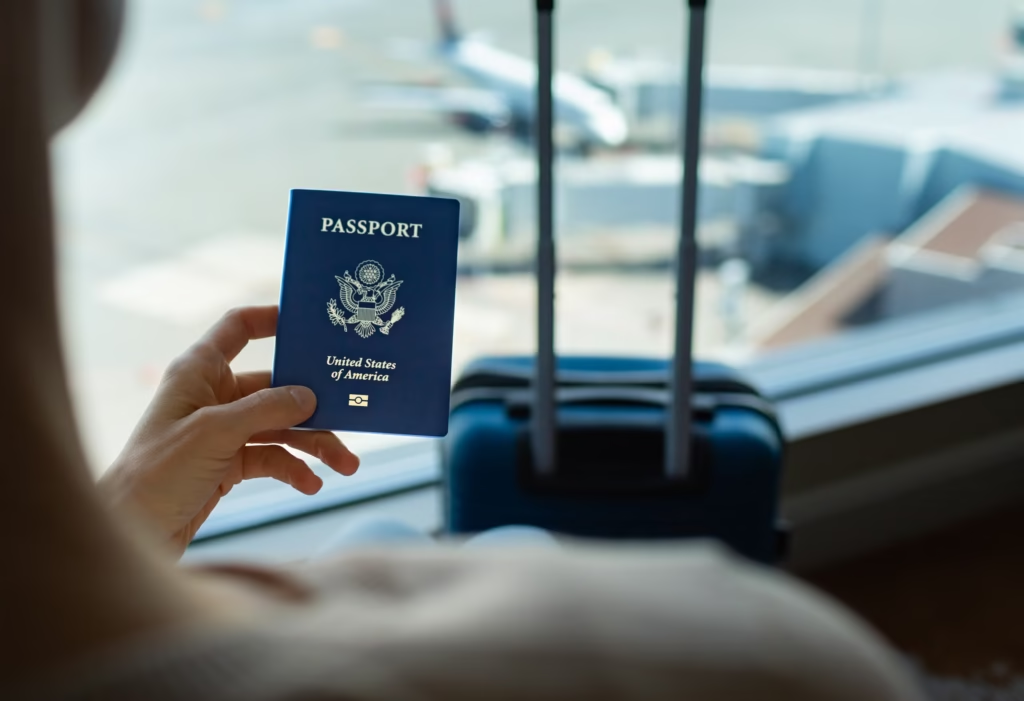
Many green card applicants assume that receiving advance parole automatically makes international travel safe. In reality, travel during a pending immigration case can still create complications depending on your history, status, and reason for travel.
Advance parole allows certain applicants to request permission to re-enter the United States without abandoning a pending adjustment of status application. However, it does not erase immigration risks or guarantee admission at the border.
For some applicants, traveling at the wrong time can delay a case, trigger additional scrutiny, or create unexpected problems upon return.
What Is Advance Parole?
Advance parole is a travel document issued by the United States Citizenship and Immigration Services through Form I-131.
It allows certain noncitizens with pending immigration applications to travel outside the United States and request re-entry without automatically abandoning their application.
Advance parole is commonly used by applicants with pending:
- Adjustment of status applications
- Family-based green card cases
- Humanitarian applications
- Employment-based green card
Without advance parole, many applicants who leave the United States while their green card case is pending may be considered to have abandoned their application.
Does Advance Parole Guarantee Re-Entry?
No.
This is one of the most misunderstood parts of the process. Advance parole allows you to request re-entry, but final admission is still determined by border officers at the port of entry.
This means travelers may still face:
- Additional questioning
- Inspection delays
- Referral to secondary inspection
- Concerns related to prior immigration history
Applicants with complicated immigration records should be especially careful before making travel plans.
When Traveling on Advance Parole Is Generally Lower Risk
For many applicants, travel on advance parole is routine. Risk levels are usually lower when:
- The adjustment of status application is properly filed and pending
- There are no prior immigration violations
- There are no unresolved removal issues
- The applicant does not have criminal concerns
- The travel period is short and clearly temporary
Even in these situations, applicants should still travel carefully and carry proper documentation.
Situations Where Advance Parole Can Become Risky
Certain immigration histories can make international travel significantly more complicated.
Prior Unlawful Presence
Applicants who previously accumulated unlawful presence before filing may face re-entry complications. In some situations, departure from the United States can trigger bars to re-entry depending on the case history.
This area is highly fact-specific and depends on how the applicant entered the country, current eligibility, and prior immigration violations.
Pending Removal Proceedings
Travel may become more sensitive if an applicant has current or past removal proceedings. Leaving the country while immigration court issues remain unresolved can create procedural complications.
Criminal History
Certain criminal records may affect admissibility even when advance parole has been approved. Border officers still review admissibility when an applicant seeks re-entry.
Extended International Travel
Advance parole is intended for temporary travel. Long absences may raise questions about residency intentions or commitment to the adjustment process.
Applicants should avoid assuming that lengthy travel carries no immigration consequences.
Traveling Before Advance Parole Approval
Leaving the United States before advance parole is approved can create serious problems for adjustment applicants.
In many cases, USCIS may treat the adjustment of status application as abandoned if the applicant departs without valid advance parole authorization.
How Advance Parole Affects a Pending Green Card Case
Travel itself does not automatically damage a green card application. However, travel can expose underlying immigration issues that were not previously examined closely.
For example:
- prior visa overstays
- unauthorized employment
- prior removal concerns
- inconsistent immigration history
These issues may become relevant again during re-entry inspection.
Additionally, missed biometrics appointments, interview notices, or USCIS deadlines during travel can delay a case significantly.
Documents Applicants Should Carry While Traveling
Applicants traveling on advance parole should carry:
- Valid passport
- Advance parole document
- Copy of pending adjustment receipt notices
- Employment authorization document (if applicable)
- Contact information for legal counsel if needed
Keeping copies of immigration filings and notices can help reduce confusion during inspection.
What Happens at the Airport or Port of Entry?
When returning to the United States, travelers using advance parole are inspected by Customs and Border Protection officers.
Some applicants are admitted quickly. Others may be sent to secondary inspection for additional review. This does not automatically mean there is a problem.
Officers may review:
- Immigration history
- Pending applications
- Prior visa records
- Criminal or security issues
The process length varies depending on the case.
Can USCIS Deny a Green Card After Advance Parole Travel?
Yes.
Travel on advance parole does not guarantee green card approval. USCIS may still deny the adjustment application if eligibility problems exist.
For example:
- inadmissibility concerns
- insufficient documentation
- marriage-based credibility issues
- immigration violations
Advance parole only addresses travel permission. It does not cure underlying legal issues.
When Applicants Should Speak With an Immigration Attorney Before Traveling
Travel becomes more legally sensitive when an applicant has:
- prior unlawful presence
- removal history
- criminal charges or convictions
- previous visa fraud concerns
- multiple immigration filings
- denied immigration applications
In these situations, reviewing the case carefully before departure can help identify risks that may not be obvious initially.
Note: Travel Permission Does Not Remove Immigration Risk
Advance parole can provide flexibility during a pending green card case, but it should not be treated as automatic protection against immigration complications.
The impact of travel depends heavily on an applicant’s immigration history, current case type, and admissibility concerns. What appears routine in one case may carry significant risk in another.
Before traveling internationally during a pending green card process, it is important to understand how departure and re-entry may affect your case and whether additional legal review is appropriate.
Frequently Asked Questions
Can I travel outside the U.S. while my green card application is pending with advance parole?
Yes, many applicants can travel while their green card application is pending if they receive approved advance parole before leaving the United States. However, travel may still carry risks depending on immigration history and admissibility issues.
What happens if I leave the United States without advance parole during adjustment of status?
Leaving the United States without advance parole during a pending adjustment of status case may cause United States Citizenship and Immigration Services to consider the application abandoned, which can lead to denial of the green card case.
Should I speak with an immigration lawyer before traveling on advance parole?
Speaking with an immigration lawyer before traveling is strongly recommended for applicants with prior visa overstays, unlawful presence, removal history, criminal records, or other complex immigration issues.
Is traveling on advance parole risky after overstaying a visa?
Traveling on advance parole after a visa overstay can be risky in some situations. Prior unlawful presence or immigration violations may affect admissibility when returning to the United States.
Can I be denied re-entry with an approved advance parole document?
Yes. An approved advance parole document does not guarantee admission into the United States. Border officers still have authority to inspect travelers and determine admissibility at the port of entry.
Can advance parole affect my pending marriage-based green card case?
Advance parole itself does not automatically harm a marriage-based green card case. However, travel can expose underlying immigration issues or create delays if important USCIS notices or appointments are missed.
How long can I stay outside the U.S. with advance parole while waiting for a green card?
Advance parole is generally intended for temporary travel. Staying outside the United States for an extended period may raise concerns about residency intentions or affect the adjustment process.
This information is for general educational purposes only and is not legal advice. Reading this page does not create an attorney–client relationship. Immigration laws change frequently, and your situation may require personalized guidance.
