Trusted immigration legal services for families, couples, and professionals seeking permanent residency in the United States.
Green Card Application Documents: Complete Checklist Before You File
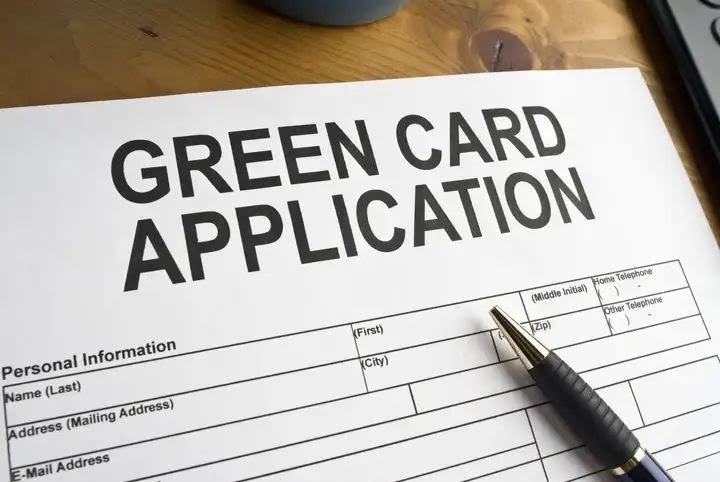
Preparing a Green Card application can be tedious especially when you are staring at a long list of documents and worrying about missing something important. Many applicants share the same concern: “What documents do I actually need before I file?”
The good news is that with the right checklist and a clear plan, document preparation becomes much more manageable. This guide walks you through the most common Green Card application documents so you can file with confidence and avoid unnecessary delays.
Why Green Card Documents Matter More Than You Think
Your documents are how immigration officers understand your story. They confirm your identity, your immigration history, and depending on the type of green card your relationship to a sponsor or employer. Missing, inconsistent, or incorrect paperwork can sometimes lead to:
- Processing delays
- Requests for Evidence (RFEs)
- Extra stress and uncertainty
This is why reviewing your documents before filing is one of the most important steps in the green card process.
Documents Required for All Green Card Applications
While document requirements vary by category, most green card applications require a core set of records to establish identity, immigration history, and eligibility.
Identity & Civil Documents
Applicants typically prepare the following:
- A valid passport, including the biographic page and entry stamps
- Birth certificate (with a certified English translation if not originally in English)
- Government-issued photo identification
- Marriage certificate, divorce decrees, or annulment records (if applicable)
- Legal name change documents (if applicable)
These documents help confirm who you are and establish basic eligibility information.
Immigration Status Documents
To document your immigration history, you may need:
- Visa approval notices
- Form I-94 Arrival/Departure Record
- Prior Employment Authorization Documents (EADs)
- Advance Parole documents (if applicable)
- Copies of prior immigration filings, approvals, or notices from USCIS or the Department of State
Having a clear record of your immigration timeline can help prevent inconsistencies and unnecessary delays.
Green Card Documents by Application Type
Marriage-Based Green Card Documents
Marriage-based cases require proof that the marriage is real and ongoing. Common documents include:
- Marriage certificate
- Joint bank accounts or credit cards
- Joint lease or mortgage
- Utility bills showing shared address
- Photos together over time
- Evidence of shared life events
-
Affidavits from friends or family (in some cases)
The goal is to show a genuine marital relationship, not just a legal one.
Family-Based Green Card Documents
For family sponsorship, you typically need:
- Proof of the qualifying family relationship
- Sponsor’s proof of U.S. citizenship or permanent residence
- Civil documents connecting family members (birth or adoption records)
Each family-based category has specific rules, so document requirements may vary.
Employment-Based Green Card Documents
Employment-based applicants may need:
- Job offer or employment verification letter
- Approved immigrant petition (if applicable)
- Educational diplomas or transcripts
- Professional licenses
-
Letters confirming prior work experience
Employment cases often involve detailed documentation, especially for professional qualifications.
Financial Support Documents
Financial documentation is a common source of anxiety for applicants, but it is a standard part of many green card processes. Documents often include:
- Affidavit of Support (general explanation only)
- Recent federal tax returns or IRS tax transcripts
- Proof of current income, such as pay stubs or employment letters
- Documentation of assets (if applicable)
Joint sponsor records (if required)
Financial requirements vary by application type and individual circumstances, so careful review of instructions is important. For a detailed, step-by-step guide on completing the Affidavit of Support and understanding income rules, household size, and joint sponsors, see how to fill out Form I-864 Affidavit of Support.
Adjustment of Status vs. Consular Processing Documents
Applying Inside the U.S. (Adjustment Status)
Adjustment of status applicants inside the U.S. often need:
- Medical examination results (submitted in a sealed envelope)
- Passport-style photos
- Work and travel authorization applications (if requested)
- Proof of lawful entry
Applying Outside the U.S. (Consular Processing)
Consular applicants abroad may need:
- Police certificates from the required countries
- Passport photos
- Consular appointment confirmations
- Additional civil documents requested by the U.S. consulate
How to Organize Your Green Card Documents Before Filing
Organization plays a major role in avoiding mistakes and reducing stress. Helpful tips include:
Group documents by category (identity, financial, relationship, employment)
Label all files clearly and consistently
Ensure names and dates match across all documents and forms
Create a checklist or index of everything you submit
Keep complete copies of all submitted materials for your records
Clear organization makes it easier to respond quickly if additional information is requested. It also makes sure you avoid common application mistakes.
Do You Need Originals or Copies?
Many applicants are unsure whether to submit originals or photocopies. In general:
-
Photocopies are often submitted with applications
-
Originals or certified copies may be required in certain situations
-
Originals are typically brought to interviews rather than mailed
-
Instructions from USCIS or the consulate should always be followed carefully
Keeping originals safe and accessible is important throughout the process.
Optional but Commonly Requested Supporting Evidence
Depending on your case, you may also be asked to provide:
Proof of continuous residence
Documentation of prior name changes
Previous immigration correspondence
General evidence addressing prior overstays or gaps in status
These documents are not always required at filing but are commonly requested later.
Common Green Card Document Mistakes to Avoid
Even well-prepared applicants make avoidable errors. Some of the most common include:
- Submitting documents without certified translations
- Using expired passports or IDs
- Inconsistent names or dates across forms
Forgetting to include all required pages of a document
Filing without reviewing eligibility requirements
Catching these issues early can save months of waiting later.
What Happens After You Submit Your Documents?
After filing, applicants typically experience several steps:
-
Receipt notices confirming the application was received
-
Case tracking through official channels
-
Biometrics appointments (if required)
-
Possible Requests for Evidence (RFEs)
-
Interview scheduling, depending on the case type
Document Requirements May Change
Immigration policies and document requirements can change over time. For example, USCIS recently released the 2025 end-of-the-year review for policy changes that affects the application process. You have to:
Always review current government instructions
Be aware that updates may affect pending or future filings
Professional document review can help identify changes early
Staying informed helps prevent surprises. For official requirements and the most up-to-date instructions, visit the
U.S. Citizenship and Immigration Services (USCIS) website.
Pre-Filing Document Checklist Summary
If you are preparing to submit your Green Card application, here is a simple, high-level summary of the documents most applicants gather before filing. Exact requirements differ by case type, but this list is a helpful starting point for general organization and preparation.
Identity and civil documents
Immigration history records
Relationship or employment evidence
Financial support documents
Application-specific supporting materials
Copies of prior filings or USCIS notices (if applicable)
Translations and certified records where required
Having these materials organized in advance can make the filing process feel more manageable and help reduce the risk of avoidable delays or document-related issues.
Should You Have an Attorney Review Your Green Card Documents?
Many applicants choose to have an immigration attorney review their documents before filing, particularly when accuracy, completeness, and organization are a priority. A professional review provides an objective assessment of the application package and helps ensure that supporting evidence is presented clearly and consistently. An attorney review can help:
Identify documents that may be missing, insufficient, or unclear
Reduce the likelihood of delays or Requests for Evidence (RFEs) caused by avoidable documentation issues
Confirm that names, dates, immigration histories, and supporting records are consistent across all forms and submissions
Provide recommendations on organization, formatting, and document labeling to improve clarity
Give applicants greater confidence that their materials are thoroughly prepared before filing
While an attorney review does not guarantee an outcome, consulting an experienced lawyer to guide your application adds an important layer of diligence and quality control to the document-preparation process.
Get personalized guidance from an experienced green card lawyer.
Frequently Asked Questions
Why do I need a green card document checklist before filing?
A checklist helps you stay organized and ensure all required identity records, financial documents, and supporting evidence are included before submission. It reduces the chances of missing documents that could lead to delays or Requests for Evidence (RFEs).
Do Adjustment of Status and Consular Processing require different documents?
Yes. Both pathways require core documents like identity records and financial sponsorship, but some requirements differ. Adjustment of Status usually includes more U.S. immigration history records, while Consular Processing often requires embassy-specific civil and police certificates.
What should I do if I don’t have one of the documents on the checklist?
If a document is unavailable, you may submit secondary evidence or an explanation with supporting proof. USCIS generally prefers context and alternative documentation rather than leaving a section blank. An experienced immigratin lawyer can also guide you on the best sction to take.
Are photos and chat messages enough proof of a real relationship?
They help, but USCIS places stronger weight on shared financial, legal, and residential records. Photos and messages should be used as supporting evidence, not the primary basis of the application.
Can using a checklist guarantee that my application will be approved?
No. A checklist does not guarantee approval, but it helps you submit a complete and well-organized application. This can reduce avoidable errors and improve the clarity of your supporting evidence.
Should my sponsor also prepare a set of documents?
Yes, the financial sponsor must provide their own supporting records, including income proof and tax documents. These materials are required to show they meet sponsorship and financial eligibility requirements.
Can I submit my application if I’m still waiting for one document?
It’s generally better to file with a complete set of documents whenever possible. Submitting without required evidence may increase the chance of delays or an RFE.
This information is for general educational purposes only and is not legal advice. Reading this page does not create an attorney–client relationship. Immigration laws change frequently, and your situation may require personalized guidance.
Ready to Start Your Green Card Journey?