
Trusted immigration legal services for families, couples, and professionals seeking permanent residency in the United States.

Marriage Green Card Process: A Complete Guide for Spouses Applying
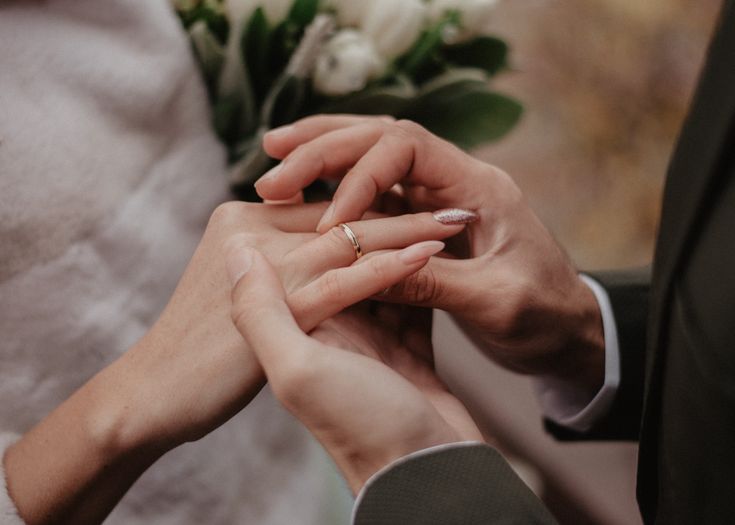
Applying for a Green Card through marriage involves more than paperwork. With the recent USCIS immigration policy changes, stronger applications are necessary. Eligibility rules, filing strategy, and procedural choices can determine how smoothly or how slowly the entire process moves.
If you are married to a U.S. citizen or lawful permanent resident, this guide breaks down the marriage Green Card process in clear, manageable steps, with clarity on what matters, what to prepare, and where applicants commonly go wrong.
This guide covers the marriage green card process in the United States including eligibility requirements, adjustment of status and consular processing, required documentation, interviews, timelines, and frequent pitfalls.
Key Takeaways
- The marriage Green Card process involves multiple steps and forms
- Spouses may apply through Adjustment of Status or consular processing
- Strong, consistent documentation is critical
- Many delays are preventable with proper preparation
- Professional guidance can help reduce stress and mistakes
Understanding The Marriage Green Card Basics
A marriage-based Green Card allows the spouse of a U.S. citizen or lawful permanent resident to live and work permanently in the United States as a lawful permanent resident.
However, marriage alone does not confer immigration status. U.S. immigration law requires a formal application process in which the sponsoring spouse files a petition to establish the qualifying relationship, and the immigrant spouse demonstrates eligibility under federal law. The U.S. Citizenship and Immigration Services (USCIS) evaluates both the legal validity of the marriage and whether it was entered into in good faith, not solely for immigration benefits.
Depending on the sponsor’s status and the spouse’s location, the process of a marriage-based green card may involve an adjustment of status within the United States or consular processing through a U.S. embassy or consulate abroad. Applicants must submit supporting documentation, attend biometrics appointments, and, in most cases, complete an interview with a USCIS officer. Approval results in either conditional or permanent resident status, with additional requirements for couples married for less than two years at the time of approval. Understanding these distinctions early helps applicants avoid delays, requests for evidence, and avoidable mistakes.
Marriage Green Card Requirements: Who Can Apply?
Sponsoring Spouse
- Must be a U.S. citizen or Green Card holder
- Must be in a valid, legally recognized marriage
- Must meet financial sponsorship requirements
Immigrant Spouse
- Must be legally married to the sponsor
- Must be admissible under immigration law
- Must submit required forms and attend appointments or interviews
Pro Tip:
USCIS focuses on eligibility and documentation, not how long you’ve been married. For example, couple married for three months may still qualify if they submit a joint lease, shared bank account records, and consistent application details.
How to Apply for a Marriage Green Card (Step-by-Step)
These are the typical marriage-based Green Card steps that should be folowed in order:
Step 1: File the Family Petition
The sponsoring spouse files a petition to establish the qualifying relationship.
Step 2: Apply for Permanent Residence
The immigrant spouse applies for a Green Card. If applying from inside the U.S., this usually includes filing the I-485 marriage Green Card application.
Pro Tip:
Review all forms together before filing. Even small inconsistencies can trigger delays. For example, using different addresses or job titles across forms may result in a request for clarification.
Step 3: Biometrics Appointment
USCIS collects fingerprints, photographs, and a signature for background checks.
Step 4: Marriage Green Card Interview (If Required)
Many applicants attend an interview to confirm the marriage is genuine.
Step 5: USCIS Decision
If approved, the immigrant spouse becomes a lawful permanent resident.
Every step requires proper organization and can be met with thorough preparation. The complete green card process can take time. Applicants can track their status on the USCIS case status website anytime.
Adjustment of Status for Spouses vs. Consular Processing
Adjustment of Status for Spouses (Inside the U.S.)
Adjustment of Status allows eligible spouses already in the U.S. to apply without leaving the country. In many cases, applicants may also request work and travel authorization while the application is pending.
Consular Processing (Outside the U.S.)
If the immigrant spouse is abroad, the application is processed through a U.S. embassy or consulate and includes an interview overseas. A legal expert is necessary to guide couples through every step in the consular processing application.
Quick Comparison
- Adjustment of Status
- Apply from inside the U.S.
- May request work and travel authorization
- No international travel required during processing
- Consular Processing
- Apply from outside the U.S.
- Interview at a U.S. embassy or consulate
- Enter the U.S. as a permanent resident after approval
Pro Tip:
Choosing the right filing strategy early can help avoid unnecessary delays and complications.
Required Forms and Supporting Documents for a Spouse Green Card Application
Government Forms
- Form I-130, Petition for Alien Relative
- Form I-130A, Supplemental Information for Spouse Beneficiary
- Form I-485, Application to Register Permanent Residence or Adjust Status (if applying from within the U.S.)
- Form DS-260, Immigrant Visa Application (for consular processing)
- Form I-864, Affidavit of Support
- Form I-693, Report of Medical Examination and Vaccination Record
- Form I-765, Application for Employment Authorization (optional)
- Form I-131, Application for Travel Document / Advance Parole (optional)
Identity and Civil Documents
- Passports (biographic pages and entry stamps)
- Birth certificates for both spouses
- Government-issued photo identification
- I-94 Arrival/Departure Record (if applicable)
- Marriage certificate
Proof of Legal Entry or Immigration Status (if applicable)
- Visa documentation
- Prior USCIS approval notices
- Current or previous immigration status records
Financial Sponsorship Evidence
- Form I-864 supporting documents
- Federal tax returns (usually the most recent year)
- W-2s, 1099s, or pay stubs
- Employment verification letter
- Evidence of assets, if income alone does not meet requirements
Medical and Background Documentation
- Completed Form I-693 from a USCIS-approved civil surgeon
- Passport-style photographs
- Biometrics (fingerprints and photographs collected by USCIS)
- Police or court records for any arrests or charges, if applicable
Filing and Administrative Documents
- USCIS filing fee receipts
- Copies of all forms and supporting documents submitted
- Interview appointment notices and correspondence from USCIS or the U.S. consulate
Submitting complete and well-organized documentation helps reduce delays, Requests for Evidence, and avoidable complications during the adjudication process.
Proving a Bona Fide Marriage
USCIS must confirm the marriage is genuine and not solely for immigration purposes. Quality matters more than quantity. Well-organized, relevant evidence is more effective than hundreds of unstructured pages.
Common Evidence Includes:
- Joint lease, mortgage, or property ownership records
- Shared bank or credit card statements
- Joint insurance policies or beneficiary designations
- Utility bills or official mail showing a shared address
- Photographs taken together over time
- Travel records or communication history
Pro Tip:
Photos from daily life, holidays, family visits, or casual outings, are often more persuasive than formal event photos alone.
Marriage Green Card Interview: What to Expect
For many applicants, the marriage Green Card interview is the final step in the adjudication process. The interview allows a USCIS officer (or consular officer, in consular processing cases) to confirm the information in the application and assess whether the marriage is genuine and legally valid. USCIS holds scheduled interviews at local field offices.
Purpose of the Interview
The primary purpose of the interview is to verify the accuracy of the information submitted and to determine whether the marriage was entered into in good faith. Officers are trained to look for consistency between forms, supporting documents, and the couple’s answers. The interview is not designed to intimidate applicants, but to evaluate credibility and eligibility under immigration law.
Typical Topics Covered
While questions vary by case, officers commonly ask about:
- How and when you met
- The development of your relationship and key milestones
- Your wedding and living arrangements
- Daily routines, shared responsibilities, and household roles
- Financial arrangements and joint obligations
- How you spend time together
- Future plans as a couple
Questions are often practical and conversational, focusing on how you live rather than rehearsed narratives. For example, an officer may ask who pays specific household bills, where you keep important documents, or how you typically spend weekends. These questions help establish whether the couple shares a real, day-to-day life, not whether they can recall minor details perfectly.
Interview Structure
Most marriage-based Green Card interviews are conducted with both spouses present. In some cases, spouses may be interviewed separately if additional clarification is needed. Officers may review documents during the interview and request updated evidence if circumstances have changed since filing.
When Interviews May Be Waived
USCIS may waive the interview requirement in cases where the record is well-documented and raises no concerns regarding credibility. Factors that may contribute to an interview waiver include the length of the marriage, strong documentary evidence, and a straightforward immigration history. Interview waivers are discretionary and not guaranteed.
Pro Tip:
Answer questions honestly and directly. If you do not know or do not remember an answer, it is better to say so than to guess. Inconsistencies or speculation can create unnecessary issues, even in legitimate marriages.
Preparing thoughtfully and understanding the purpose of the interview can make the process more manageable and reduce avoidable stress.
What to Bring to the Marriage Green Card Interview
By the time an interview is scheduled, USCIS has already reviewed your application. The interview focuses on confirming credibility, resolving open questions, and reviewing any changes since filing. Showing up with incomplete or outdated documentation can lead to delays or additional scrutiny.Applicants should bring originals and updated copies of key documents, including:
- Government-issued photo identification for both spouses
- Passports (current and expired, if applicable)
- Interview appointment notice
- Original civil documents previously submitted
- Updated evidence of a bona fide marriage, such as recent joint financial records, housing documents, insurance policies, or photographs
- Copies of all forms, USCIS notices, and prior approvals
Applicants should also be prepared to present documentation addressing any case-specific issues, including prior immigration history, previous marriages, income changes, or periods of separation. Because interview outcomes often turn on consistency and documentation quality, many couples choose to have their case reviewed in advance to identify gaps, organize evidence, and prepare for officer questions. Proactive preparation can reduce the risk of requests for evidence, separate interviews, or unnecessary delays.
Common Interview Red Flags Officers Look For
While no single factor determines the outcome of a case, officers are trained to identify patterns that may warrant closer scrutiny. Common red flags include:
- Inconsistent answers between spouses
- Large discrepancies in age, language ability, or cultural background without a clear shared history
- Limited or weak documentary evidence of shared life
- Prior immigration violations or overstays
- Marriages entered into shortly after removal proceedings or visa expiration
- Inaccuracies or omissions in previously filed forms
Red flags do not automatically result in denial. However, they may lead to additional questioning, requests for evidence, or separate interviews. A consultation with a highly experienced marriage-based Green Card lawyer can help identify potential issues in advance, organize your documentation, and guide you on how to respond effectively to reduce delays.
Marriage Green Card Document Checklist
A marriage-based green card application requires careful preparation and accurate documentation. While every case is different, most couples must submit documents across several core categories to demonstrate eligibility and prove a bona fide marriage.
Most couples should prepare:
-
Identity and civil documents
-
Marriage and relationship evidence
-
Financial sponsorship materials
-
Immigration history records
Marriage green card document requirements vary depending on whether you are applying through adjustment of status within the United States or consular processing from abroad. Your immigration history, prior marriages, and financial situation can also affect which documents are required. Missing or incomplete evidence is a common reason for delays, Requests for Evidence (RFEs), or interview complications.
To help you prepare with confidence, we have created a comprehensive marriage green card document checklist organized by category and designed to guide you through every stage of the process. This checklist helps ensure your application is complete, well-organized, and aligned with USCIS and consular expectations.
Marriage Green Card Process Timeline
Many couples want to know how long it takes to get a green card though marriage. The quick answer is there is no single timeline that applies to every case. Processing times depend on:
- Filing method
- Case complexity
- Government workload
Delays do not always signal a problem but missed notices or knowing how to respond can make a big difference.
Red Flags That Can Delay or Deny a Marriage Green Card Case
Common issues include:
- Incomplete or inconsistent forms
- Weak or insufficient marriage evidence
- Missing USCIS notices or deadlines
- Applying without understanding eligibility limits
How an Immigration Attorney Can Help With the Marriage Green Card Process
An immigration attorney can play an important role throughout the marriage-based green card process by helping couples understand requirements, anticipate challenges, and prepare a complete and well-supported application. Legal assistance often begins with a careful review of eligibility and case strategy, taking into account factors such as immigration history, prior visas, travel records, and the timing of the marriage. An attorney can assist with:
-
Filing strategy and eligibility review: Assessing whether adjustment of status or consular processing is appropriate, confirming eligibility under current immigration regulations, and identifying any issues that may require additional explanation or evidence.
-
Document preparation and organization: Helping ensure that forms are completed accurately, supporting documents are consistent, and relationship evidence is organized in a way that clearly demonstrates the legitimacy of the marriage.
-
Interview preparation: Explaining the purpose and structure of the interview, reviewing common questions, and helping couples prepare to address sensitive or complex topics clearly and honestly.
-
Avoiding delays and common mistakes: Proactively identifying issues that commonly lead to requests for additional evidence, interview delays, or extended processing times, and helping couples respond appropriately if questions arise.
While legal support does not change immigration law or guarantee an outcome, it can help ensure that a case is presented clearly, thoroughly, and in compliance with USCIS or consular requirements. Attorney guidance is invaluable for couples with short courtships, long-distance relationships, prior immigration issues, previous denials, or other factors that may result in closer review of the application. For more insight into how the marriage green card process works and when legal guidance may be beneficial, explore our resources or speak with an experienced marriage-based lawyer about your situation.
This information is for general educational purposes only and is not legal advice. Reading this page does not create an attorney–client relationship. Immigration laws change frequently, and your situation may require personalized guidance.
Ready to Start Your Green Card Journey?
Get personalized guidance from an experienced green card lawyer.